
I/We Art
I/We Art offers a diverse collection of images combining representational or abstract elements or strangeness to explore social fields .
Finding Joy at Pistyll Rhaeadr
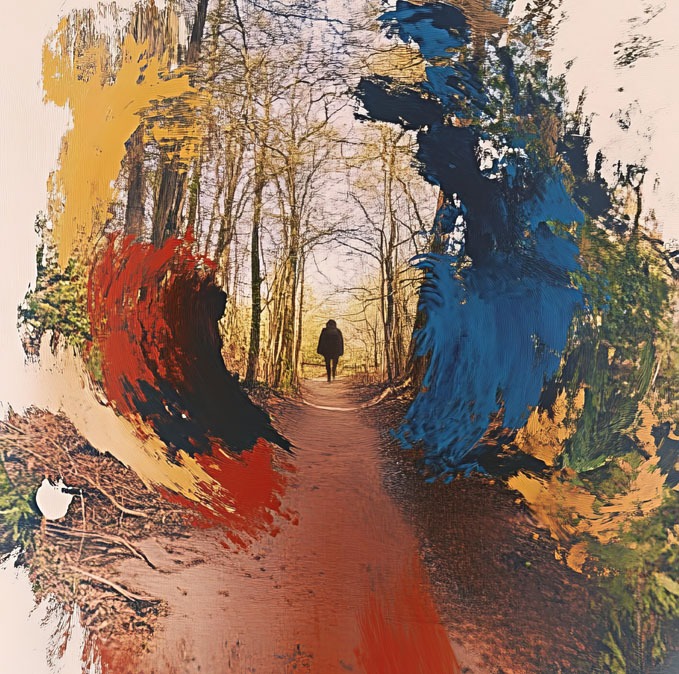
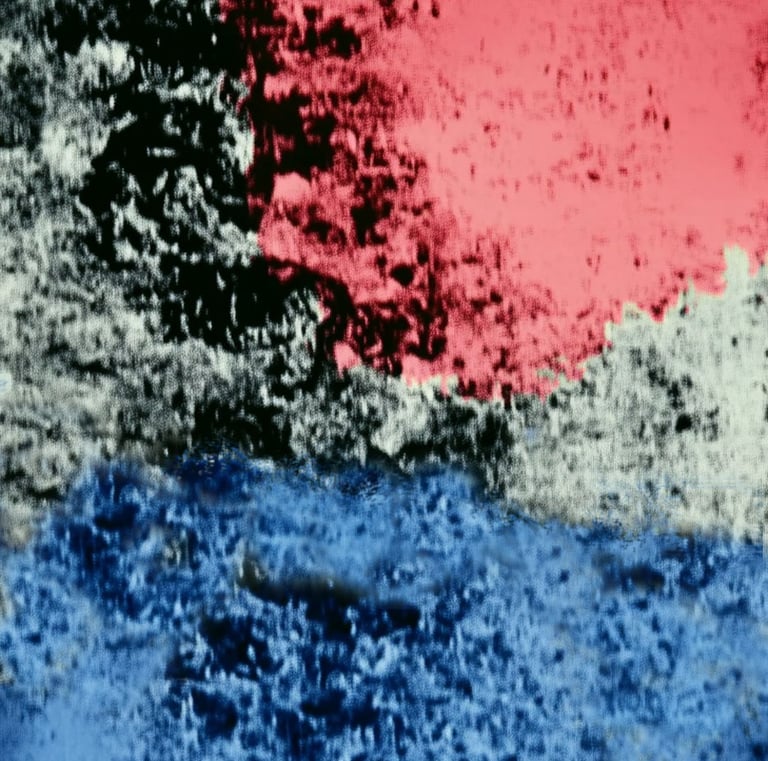
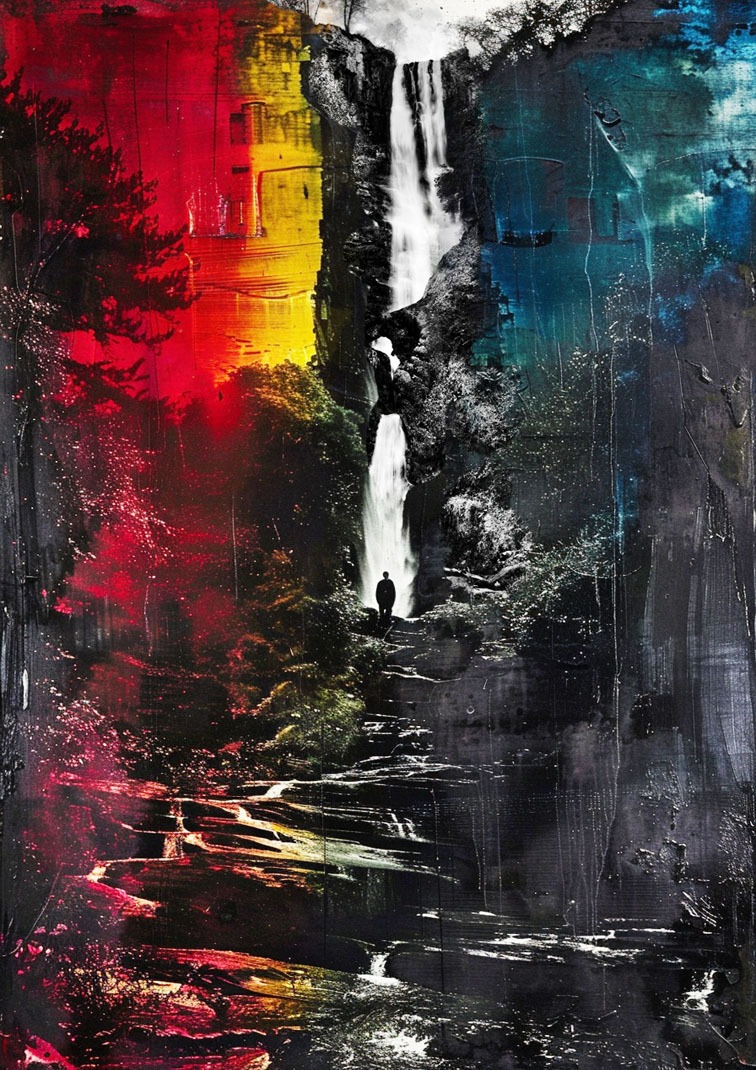
.This work “Finding joy at Pistyll Rhaeadr” seeks to place you in the image to experience the scene as though you were there. The joy is that this person has found a solution to the opposing forces shown on each side of the image. ( This idea is similar to the Green World approach described below in the Arnolfini series of images). The technigue of placing a "back-figure" in the image was used by Caspar David Friedrich and is termed Rückenfigur.
The Singularity
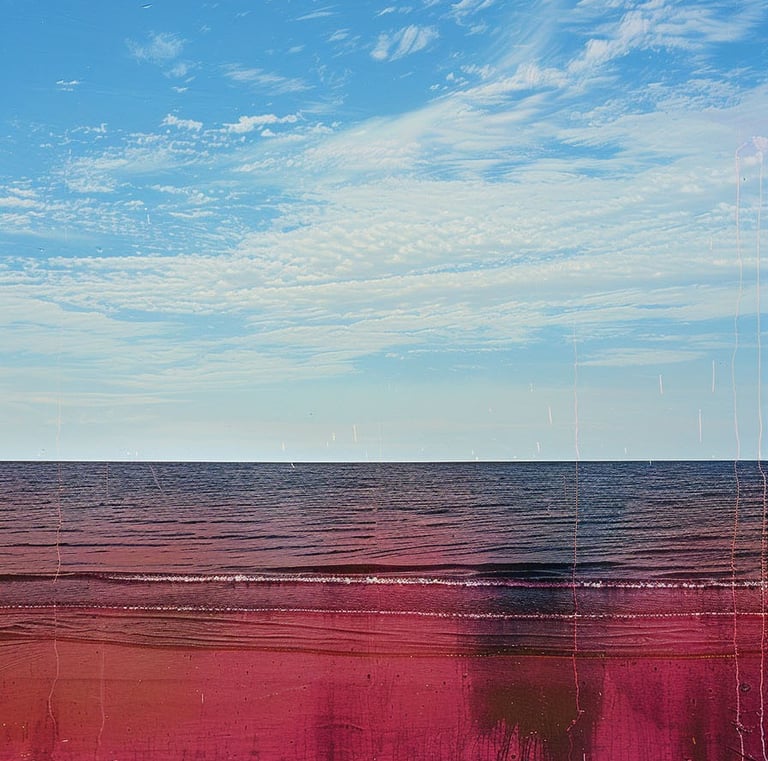
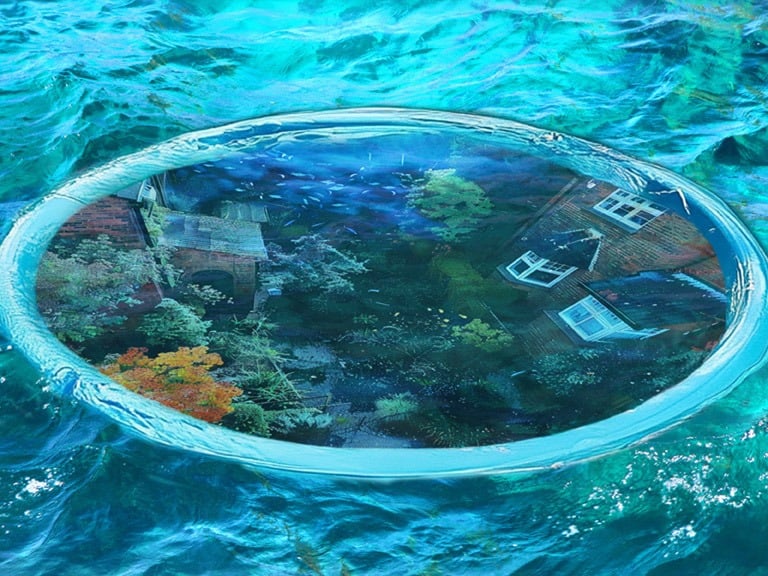
The Singularity represents the moment computers reach a kind of consciousness. This moment is now very close with predictions that it will be reached by 2029. The idea for the image comes from Sabina Spielrein's work where she often used the example of the sea to explain the unconscious which is below the surface and the conscious above the surface.
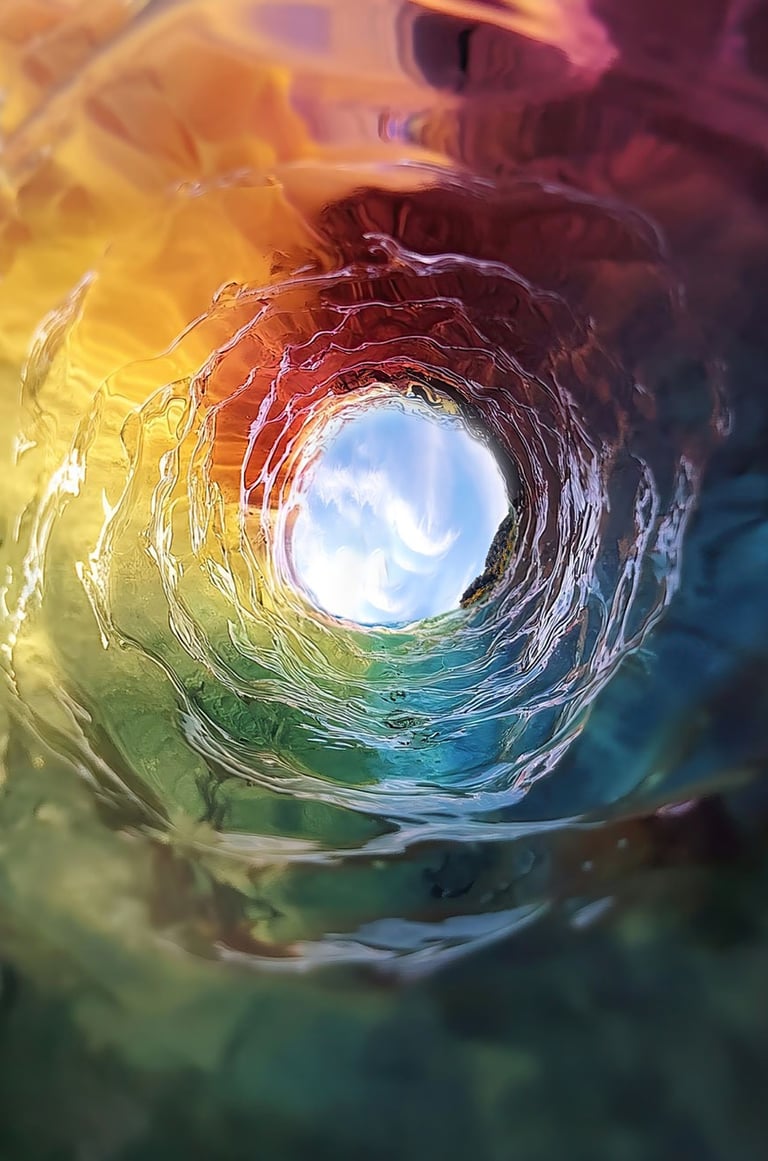
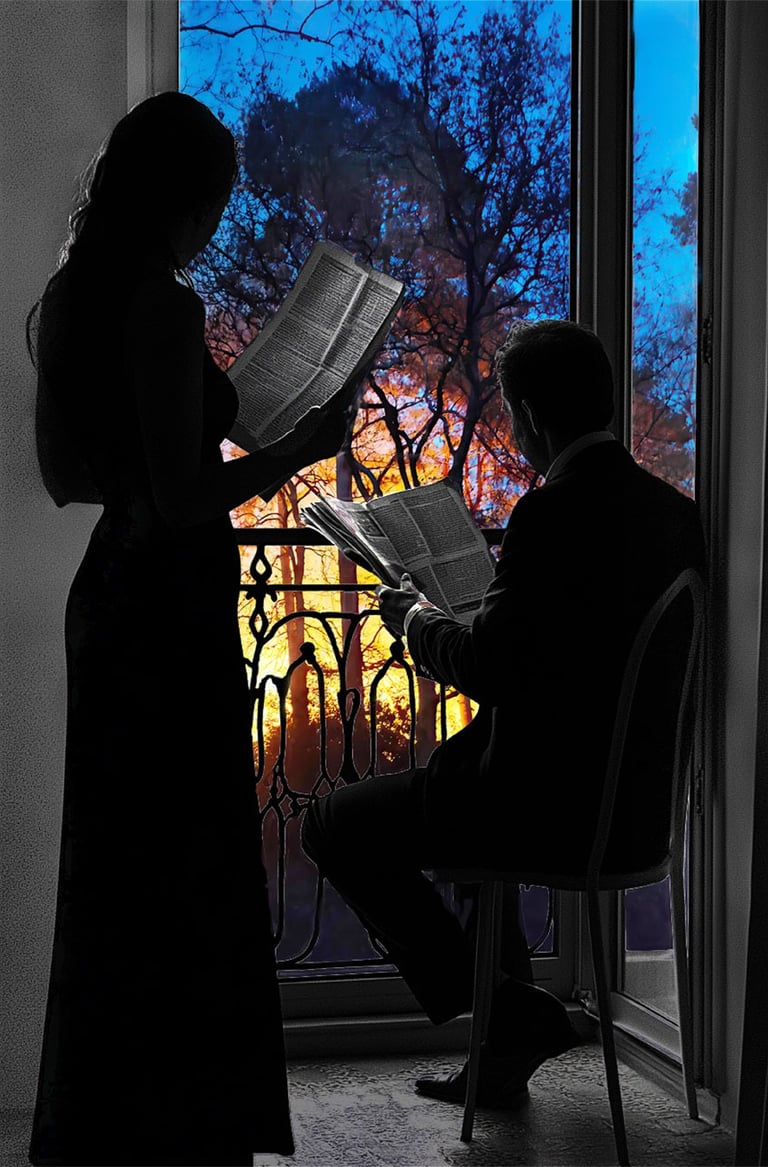
This image from the Balcony series was inspired by Gustave Caillebotte work “Interior, Woman at the Window” 1880 which shows a man reading a newspaper and a woman at the window. What Caillebotte achieves in this image is to create a sense of isolation between the figures. In the work shown here the sense of isolation between the figures is extended to the scene beyond the balcony of a woodland wildfire.
The Balcony Series
The Arnolfini Revisited: The Clock
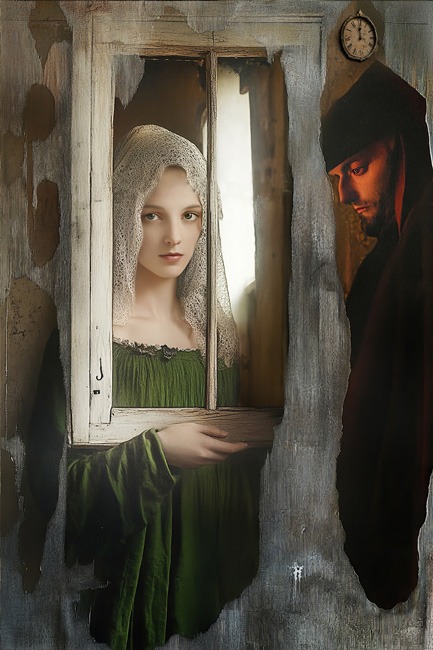
Jan van Eyck's The Arnolfini (1434) shows a man and woman in a room full of symbols and wealth. The wealth is shown by the furnishing and clothes. The woman is next to the bed symbolising domestic duties, the homemaker. The man is next to the window, the public realm of power and status.
In the revisited version wealth is no longer present and the mirror has been replaced by a clock. The clock is the doomsday clock, which in the event that it reaches 12 o’clock midnight, signals irreversible global destruction, the end of everything. The minute hand of the clock has been removed to conceal how close to midnight things really are. The female and male places have been reversed. She (the woman in green) is not just standing by the window she now holds the window frame that looks out on the public realm. It is this realm symbolised by the frame that has defined a version of reality that has brought about the possibility of global destruction. The single bar suggests she is still held within her gender sphere and cannot fully enter the public realm.
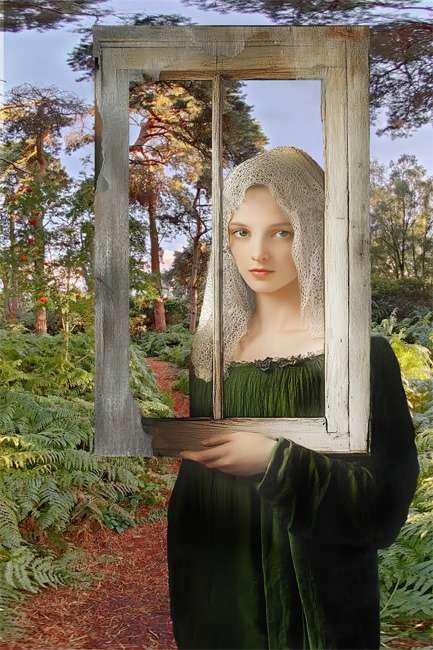
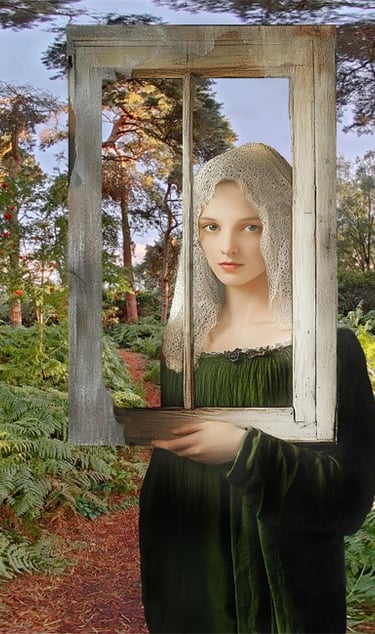
The woman in green has taken the frame to a woodland. The reason for doing so follows “Green World” literature. This literature suggests that places such as woodland can offer a magical setting allowing an escape from societal rules which can be transformative, offering insight into how conflicts can be resolved.
The woman in green is therefore using this space to release herself from the current order symbolised by the frame. In doing so she aims to redefine the version of reality held by the frame into a solution for moving the clock away from midnight and setting the social world on a path out of chaos. (Shakespeare’s “A Midsummer Night’s Dream” is a famous example of Green World literature.)
The Arnolfini Revisited: Green World
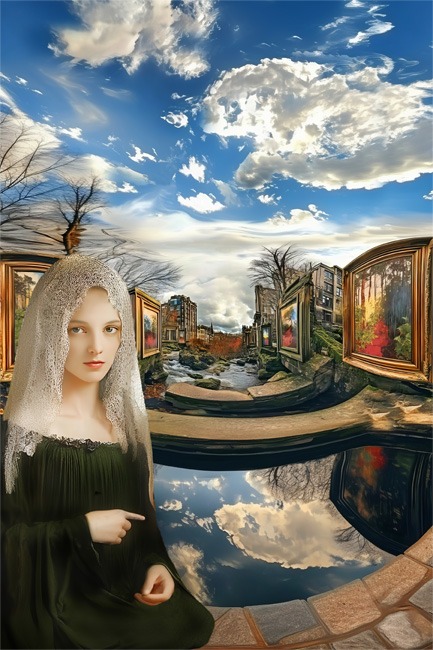
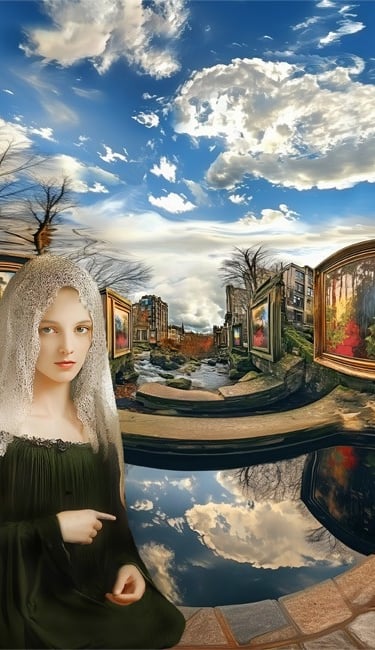
The woman in green has now returned to the social world. She no longer holds the frame and is not constrained by the views it represents. She wishes to share her new sense of self. She does this by replacing the billboards with stark images of woodland scenes. These represent a kind of social sculpture following the work of Joseph Beuys. The aim of doing this is to share with others the magic and joy she experienced in realising her new sense of self. This sense of self, she feels, can challenge the chaos symbolised by the clock. She points to a reflection of the woodland scene and by doing so invites the audience to immerse themselves in art and embrace creativity. In the words of Amie McNee "Creativity is our power to enact change."
The Arnolfini Revisited: Sharing Joy in the Social World

The Wonderland Video Series


The wonderland video series seeks to show the magical quality of woodland.
I/We Art
Exploring possibilities for change through encouraging reflection on social fields.
Creativity
Finding ways of bringing together opposing forces.
© 2025. All rights reserved.